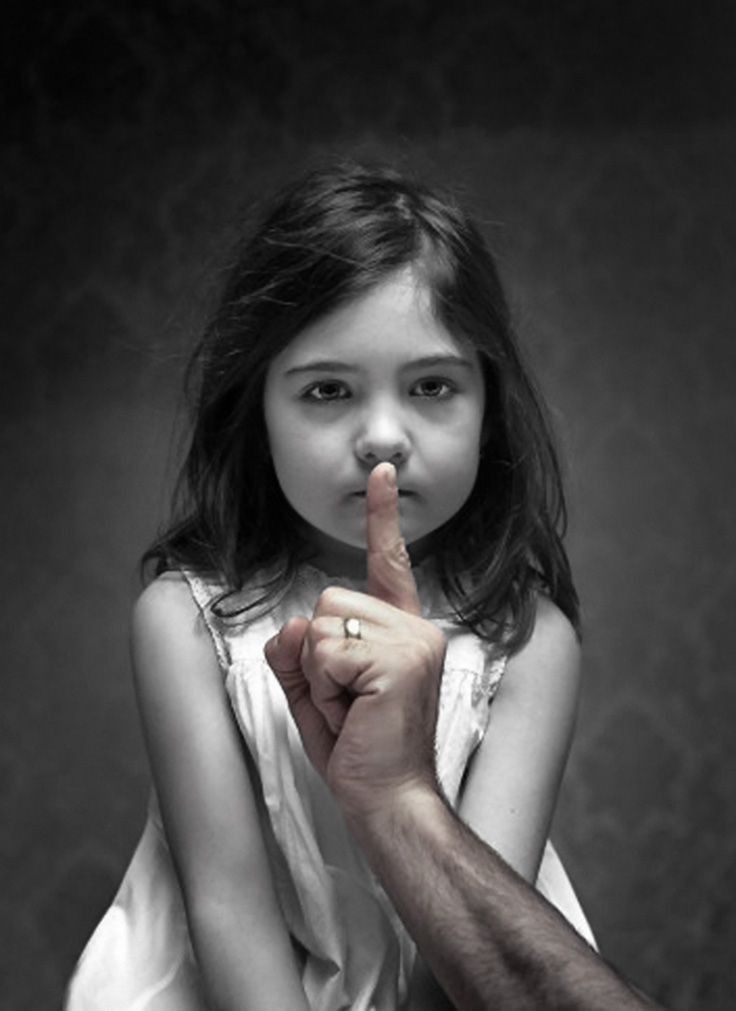
Child marriage is a practice involving a marriage or domestic partnership — formal or informal — that includes an individual under 18 years of age. Research has found that child marriages carry many long-term negative consequences for both brides and grooms. Girls who marry as children often lack access to education and career opportunities, and commonly suffer adverse health effects from early pregnancy and childbirth.
Some factors that encourage child marriages include poverty, bride price, dowries, cultural traditions, religious and social pressure, regional customs, fear of the child remaining unmarried into adulthood, illiteracy, and the perceived inability of women to work. Research indicates that comprehensive sex education can prevent child marriages, and that strengthening rural education systems can significantly reduce rates.
Child marriage is increasingly viewed as a form of child sexual abuse. It is an internationally recognised health and human rights violation. The Committee on the Rights of the Child reaffirms that the minimum age limit should be 18 years for marriage. In some regions, the legal age for marriage can be as young as 14, with cultural traditions sometimes superseding legal stipulations.
Marriage before the age of 18 is a fundamental violation of human rights. Many factors interact to place a child at risk of marriage, including poverty, the perception that marriage will provide protection, family honour, social norms, customary or religious laws that condone the practice, an inadequate legislative framework, and the state of a country's civil registration system. While the practice is more common among girls than boys, it is a violation of rights regardless of sex.
"Child marriage often compromises a girl's development by resulting in early pregnancy and social isolation, interrupting her schooling, limiting her opportunities for career and vocational advancement, and placing her at risk of domestic violence."
Cohabitation — when a couple lives in union as if married — raises the same human rights concerns. Additional concerns arise due to the informality of the relationship, in terms of inheritance, citizenship and social recognition, making children in informal unions vulnerable in different ways than those who are formally married.
The issue of child marriage is addressed in several international conventions. The Convention on the Elimination of All Forms of Discrimination against Women (CEDAW) covers the right to protection from child marriage in Article 16, stating that "the betrothal and the marriage of a child shall have no legal effect." The right to free and full consent to marriage is recognised in the Universal Declaration of Human Rights — consent which cannot be free and full when one of the parties is not sufficiently mature to make an informed decision.
Other international agreements include the African Charter on the Rights and Welfare of the Child and the Protocol to the African Charter on Human and People's Rights on the Rights of Women in Africa, which collectively demand state action to protect children from forced early unions.